
Myofascial Release Explained: Understanding Myofascial Release Therapy
When life feels tense and your body holds onto stress, finding relief can sometimes feel like a challenge. I want to share with you a gentle, effective approach that has helped many people find comfort and ease in their bodies: myofascial release therapy. This therapy focuses on releasing tension in the connective tissues that surround our muscles, helping to restore movement and reduce pain. Let’s explore this healing method together, so you can feel empowered to take steps toward your own wellness.
Myofascial Release Explained: What It Is and How It Works
Myofascial release therapy is a hands-on technique that targets the fascia - the thin, tough layer of connective tissue that wraps around muscles, bones, and organs. Sometimes, this fascia can become tight or restricted due to injury, stress, or poor posture. When that happens, it can cause discomfort, stiffness, and even pain in different parts of the body.
The goal of myofascial release is to gently stretch and loosen this fascia, allowing your body to move more freely and comfortably. A skilled therapist uses slow, sustained pressure to find areas where the fascia feels tight or stuck. By holding this pressure and encouraging the tissue to release, the therapist helps your body regain its natural balance.
This therapy is especially helpful for people dealing with chronic pain, headaches, fibromyalgia, or limited range of motion. It’s a calming, nurturing experience that invites your body to relax deeply and heal from within.
How Myofascial Release Therapy Can Benefit You
You might wonder how this therapy could fit into your wellness routine. Here are some of the benefits you might experience:
Reduced pain and tension: By releasing tight fascia, you can feel less stiffness and discomfort in your muscles and joints.
Improved mobility: As restrictions ease, your body can move more freely, making daily activities easier and more enjoyable.
Enhanced circulation: The gentle pressure helps increase blood flow, which supports healing and reduces inflammation.
Stress relief: The slow, mindful nature of the therapy encourages relaxation and can help calm your nervous system.
Better posture: Releasing fascial restrictions can help your body align more naturally, reducing strain on muscles and joints.
If you’ve ever asked yourself what is myofascial release therapy, now you have a clearer picture of how it works and why it might be a wonderful addition to your self-care.
What is the difference between myofascial and massage therapy?
It’s easy to confuse myofascial release with traditional massage therapy, but they have distinct approaches and goals. While both therapies involve touch and aim to promote relaxation and healing, here’s how they differ:
Focus: Massage therapy generally targets muscles to relieve tension and improve circulation. Myofascial release specifically targets the fascia, the connective tissue surrounding muscles and organs.
Technique: Massage often uses rhythmic strokes, kneading, and tapping. Myofascial release uses slow, sustained pressure and gentle stretching to release fascial restrictions.
Pressure: Massage pressure can vary from light to deep, depending on the style. Myofascial release usually involves gentle, consistent pressure that feels soothing rather than intense.
Purpose: Massage is great for overall relaxation and muscle relief. Myofascial release is particularly effective for chronic pain, scar tissue, and movement restrictions caused by fascial tightness.
Both therapies can complement each other beautifully. If you’re seeking long-term relief from specific pain or stiffness, myofascial release might be the perfect fit to address the root cause.

What to Expect During a Myofascial Release Session
If you decide to try myofascial release therapy, it’s helpful to know what a session might look like. Here’s a gentle guide to what you can expect:
Initial conversation: Your therapist will ask about your health history, current concerns, and goals. This helps tailor the session to your needs.
Comfortable positioning: You’ll usually lie on a massage table, fully clothed or with minimal clothing, depending on the area being treated.
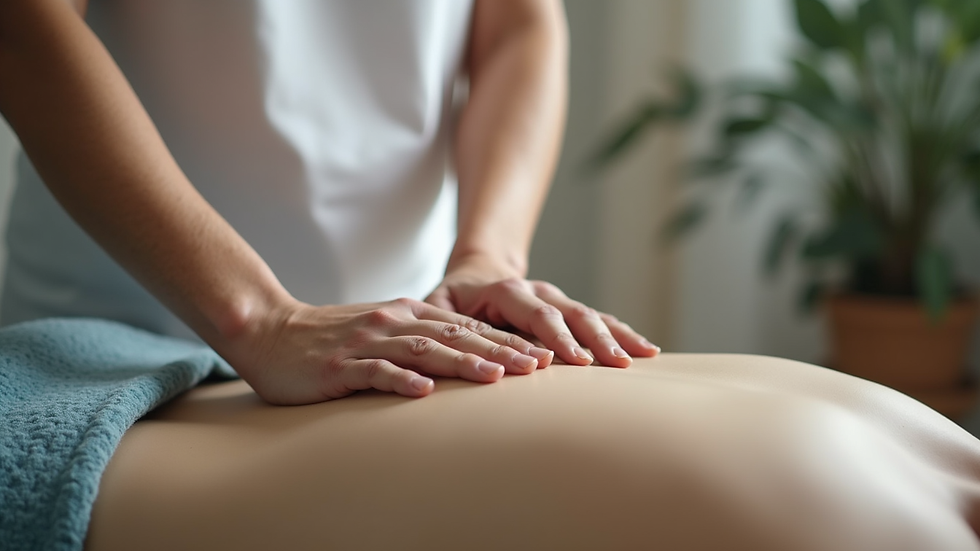
Gentle touch: The therapist will use their hands to find areas of fascial restriction. They will apply slow, steady pressure, often holding it for several minutes.
Patient feedback: You’re encouraged to share how the pressure feels. The therapist adjusts accordingly to keep the experience comfortable.
Subtle movements: Sometimes, the therapist may guide your body through gentle stretches or movements to enhance the release.
Relaxation: Many people find the session deeply relaxing, often feeling a sense of lightness or ease afterward.
Sessions typically last between 30 to 60 minutes. You might notice immediate relief or gradual improvement over several visits. Remember, healing is a journey, and your therapist is there to support you every step of the way.
How to Support Your Body After Myofascial Release Therapy
After a session, your body may feel different - sometimes more relaxed, sometimes a bit tender. Here are some simple ways to care for yourself and maximize the benefits:
Stay hydrated: Drinking plenty of water helps flush out toxins released during the therapy.
Move gently: Light stretching or walking can keep your fascia flexible and prevent stiffness.
Rest when needed: Give yourself permission to slow down and rest if your body feels tired.
Practice good posture: Being mindful of your posture supports the work done during therapy.
Communicate with your therapist: Share any changes or concerns so your sessions can be adjusted to your needs.
By nurturing your body with kindness and patience, you’ll help maintain the positive changes myofascial release brings.
Embracing Wellness Through Myofascial Release
Choosing to explore myofascial release therapy is a wonderful step toward nurturing your body and mind. It’s a gentle, effective way to ease pain, improve movement, and invite relaxation into your life. If you’re ready to experience this healing touch, consider reaching out to a trusted therapist who understands your unique needs.
Remember, your wellness journey is personal and valuable. With consistent care and support, you can enjoy a more comfortable, balanced body that helps you live fully and joyfully.
If you’re in the Gallatin Valley area and looking for a welcoming space to begin or continue your wellness path, know that there are caring professionals ready to guide you. Your body deserves this gentle attention, and you deserve to feel your best every day.



Comments